
About Likeness Ink themed workshops or sessions for beginner and intermediate artists
Offering lively, but practical, 6-week themed workshops in a variety of digital and traditional media for adults and kids, taking playful inspiration from art history, past and present. Contact Wendy Aldwyn if you are interested in taking, or hosting, a workshop or workshop series. Enrollment is limited to 8 participants, so everyone gets plenty of individual attention.
Private individual and group sessions are also available for kids and adults.
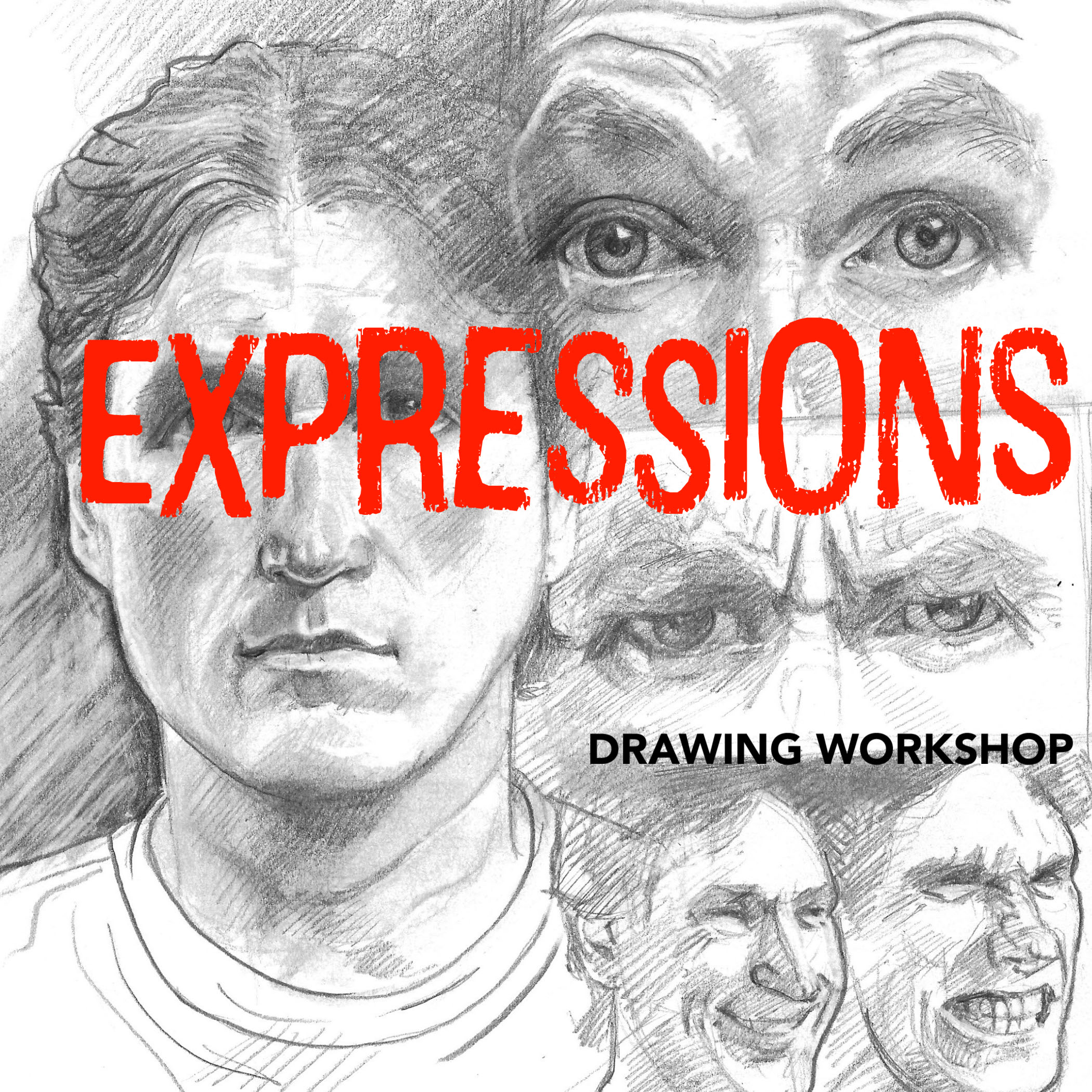
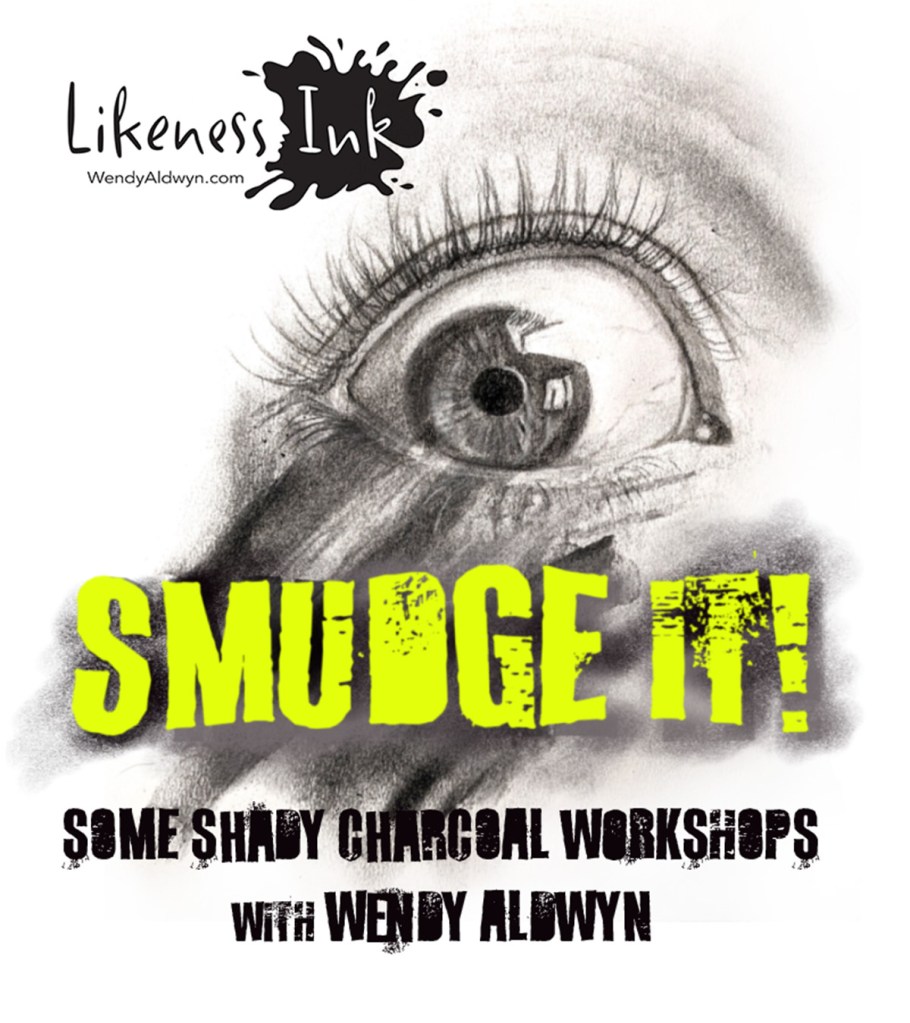


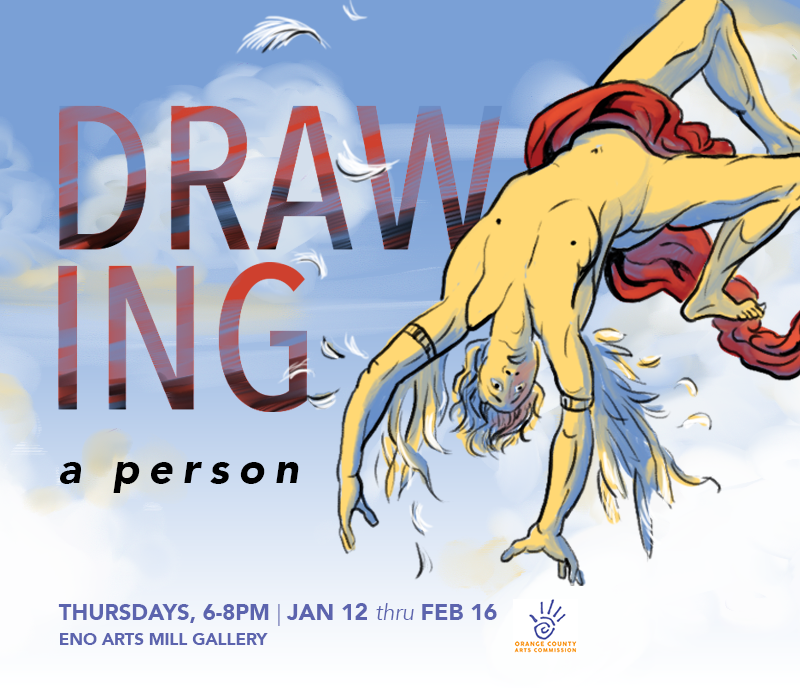

Gallery of promotional images for my workshops for adults and mature teens, above. I typically create my own promotional images and descriptions.
Learn to draw, paint, and create compelling compositions in a variety of media, traditional and digital.
Where do you start to learn to draw and paint? You are full of your own story and ideas – you just need to get it out, somehow. I offer 2-hour workshops in which the first hour is generally used honing basic skills, and the second hour we work on a finished painting or drawing. (Some projects take more than one hour to complete.)
In my 6-week themed workshops, or individual or group sessions, you can learn:
- about different kinds of paper. Some are good for sketching and doodling, some are heavier and have a better texture to hold charcoal and paint.
- how to transfer an image. Start with a sketch or photo, and learn the various ways you can trace it onto canvas or good heavy paper to make a painting or finished drawing, just like the old masters did.
- the Loomis method of drawing. Break a subject into simple geometric units to build your image. Then, break the symmetry to introduce expression!
- contour drawing. This is a fun way of training your eye-hand coordination.
- how to make changes. Use the eraser as a drawing tool. Use materials that allow you to make preliminary changes. This is probably by far the most valuable skill you will develop!
- composition. How the eye travels around the canvas. There exist different methods to entrap your viewer, and it’s not magic or rocket science!
- shading. Lights and darks, contrast, sense of volume, dramatic effect, the edge
- making your mark. Hatching, cross-hatching, blending, gesture, drip, thin-thick lines, etc.
- fun tidbits about art history to inspire you! I am not an art historian, but I am fascinated by how other artists overcame their own obstacles to make their mark.
- color mixing, color theory, color revolutions in art history. My favorite medium for teaching color is gouache, because it is rewettable. (Unlike acrylics which, when it dries out, you have to squeeze more out of the tube. Can get expensive when you are learning how to mix color!)
- perspective. Atmospheric perspective (how color fades to create a sense of distance in a landscape) as well as point perspectives (how to create the illusion of 3D).
- and more!
Themes and subjects
We can explore portraiture (including self-portraits), the human figure, animal, pet, still-life, landscape, abstract, animation, storyboarding, etc., all with emphasis on expression. We can choose a subject and set the mood.
We learn to manage our tools and materials with familiarity, in order that we can express ourselves without having to worry about technique.
Materials
Traditional: charcoal, pencil, pen and ink (or brush pen and manga pens), gouache, acrylics (for intermediate artists), watercolor pencils and watercolor crayons.
Digital: iPad with mainly Adobe Fresco, Procreate, Procreate Dreams, and others. (I have used Adobe Creative Suite on an iMac and PC professionally, and have recently begun to explore the subscription-free options such as Affinity and Gimp.)
No value judgments
Whether you are a realist, expressionist, dabbler, or newbie, I start where you are. I’ll help you feel your own way, with professional guidance, over the rough patches. What makes good art or bad art is not the concern here. We simply focus on the learning and the doing of it in my workshops. We learn to manage our tools and materials with familiarity, in order that we can express ourselves without having to worry about technique.
Let’s talk! What would you like to draw?

 Aldwyn